


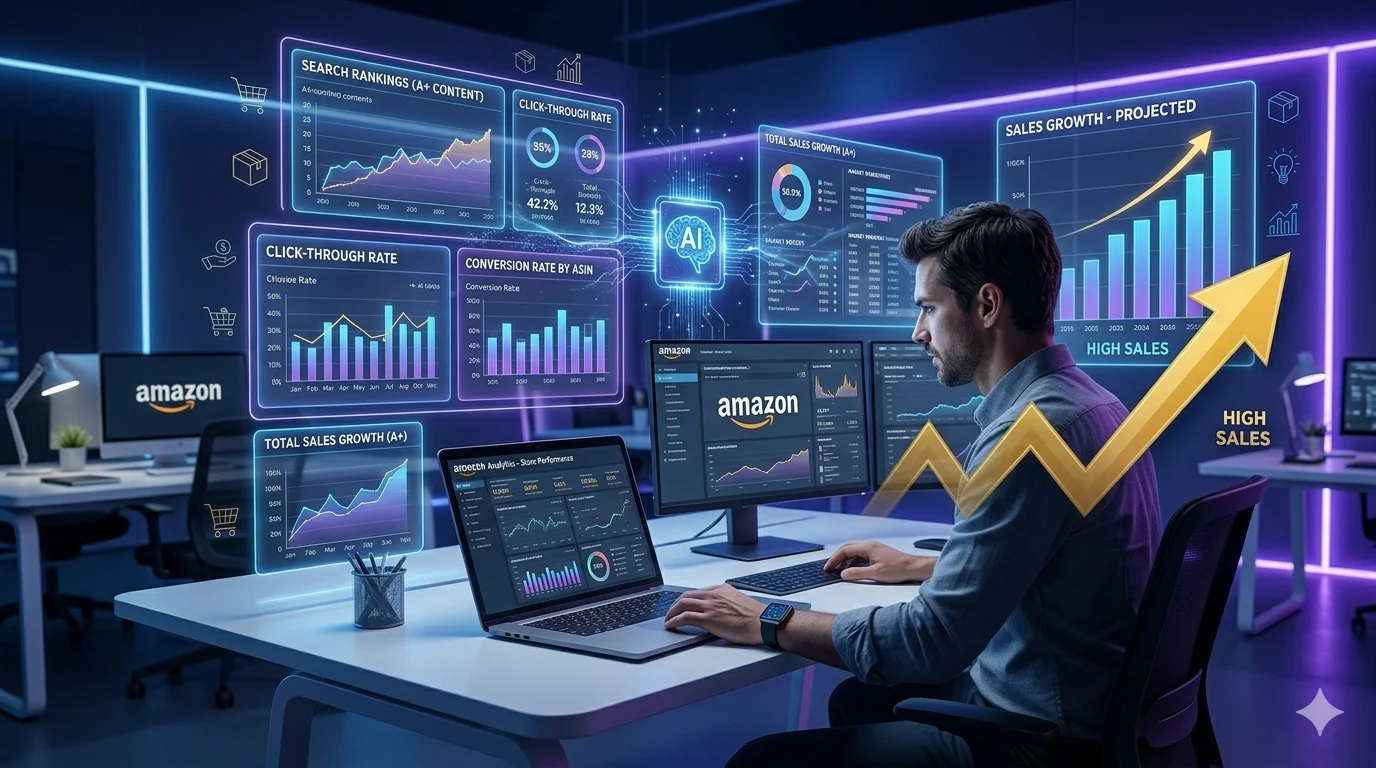
In today’s highly competitive digital landscape, businesses are no longer relying on guesswork to make marketing decisions. Instead, they are turning toward data-driven strategies to maximize performance, reduce waste, and achieve measurable growth.
As we move deeper into 2026, data-driven digital marketing has become more than just a trend—it is now a necessity for businesses that want to stay relevant and competitive.
What Is Data-Driven Digital Marketing?
Data-driven digital marketing refers to the practice of using real-time data, analytics, and insights to guide marketing decisions. Rather than relying on assumptions, businesses use actual user behavior, campaign performance, and customer interactions to refine their strategies.
According to insights from Google Analytics and HubSpot, companies that leverage data effectively tend to achieve higher ROI and improved customer engagement.
Why Traditional Marketing Is No Longer Enough
Traditional marketing methods often rely on broad targeting and limited feedback. While these approaches worked in the past, they lack the precision required in today’s digital-first world.
Some common limitations include:
- Lack of accurate targeting
- Difficulty measuring ROI
- Limited personalization
- Inefficient budget allocation
In contrast, data-driven marketing eliminates these inefficiencies by providing actionable insights.
Key Benefits of Data-Driven Marketing
1. Improved Targeting
Businesses can identify and target the right audience based on demographics, interests, and behavior.
2. Better ROI
With precise data, companies can invest in strategies that deliver actual results instead of wasting resources.
3. Personalization at Scale
Modern consumers expect personalized experiences. Data allows businesses to tailor content, offers, and communication.
4. Real-Time Optimization
Campaigns can be adjusted instantly based on performance metrics.
How Businesses Use Data to Drive Growth
Successful companies are leveraging data in multiple ways:
- Tracking website behavior using tools like Google Analytics
- Analyzing campaign performance across platforms
- Using A/B testing to improve conversion rates
- Monitoring customer journeys to reduce drop-offs
These strategies allow businesses to continuously improve and scale effectively.
The Role of Technology in Data-Driven Marketing
Advanced tools and platforms have made it easier for businesses to collect, analyze, and utilize data.
From CRM systems to marketing automation tools like HubSpot, technology enables companies to streamline operations and make informed decisions.
Recent industry reports published on Statista highlight the growing reliance on analytics and automation in modern marketing strategies.
Common Challenges Businesses Face
While data-driven marketing offers numerous benefits, it also comes with challenges:
- Managing large volumes of data
- Integrating multiple systems
- Ensuring data accuracy
- Interpreting complex analytics
Businesses that overcome these challenges gain a significant competitive advantage.
Future Trends in Data-Driven Marketing
Looking ahead, several trends are shaping the future:
- AI-powered analytics
- Predictive marketing
- Privacy-focused data strategies
- Cross-platform integration
These innovations will further enhance the effectiveness of digital marketing.
Conclusion
Data-driven digital marketing is no longer optional—it is essential for sustainable business growth. Companies that embrace data, leverage technology, and continuously optimize their strategies are more likely to succeed in today’s dynamic market.
Organizations looking to implement effective data-driven strategies often benefit from working with experienced digital solutions providers who understand both technology and marketing dynamics.
It helps businesses improve targeting, increase ROI, reduce wasted budget, and create more personalized customer experiences, leading to better overall performance. Why is data-driven marketing important for businesses?
What is data-driven digital marketing?
Data-driven digital marketing is an approach where businesses use analytics, customer behavior data, and performance metrics to make informed marketing decisions instead of relying on assumptions.
What tools are commonly used in data-driven marketing?
Popular tools include Google Analytics for tracking user behavior, HubSpot for marketing automation, and platforms like Statista for industry insights and data trends.
How does data-driven marketing improve ROI?
By analyzing campaign performance and audience behavior, businesses can focus on strategies that deliver results, ensuring better use of marketing budgets.
What are the challenges of implementing data-driven marketing?
Common challenges include managing large datasets, integrating multiple tools, ensuring data accuracy, and understanding complex analytics.
Is data-driven marketing suitable for small businesses?
Yes, even small businesses can benefit by using basic analytics tools and focusing on customer insights to make smarter marketing decisions.
How is data-driven marketing different from traditional marketing?
Traditional marketing relies on broad targeting and assumptions, while data-driven marketing uses real-time insights and measurable data to optimize campaigns.
What is the future of data-driven digital marketing?
The future includes AI-powered analytics, predictive marketing, automation, and privacy-focused data strategies that will further enhance marketing efficiency.