


Hey, writing a dissertation? It’s like that epic boss level in a video game-daunting, but totally beatable with the right moves. I’ve seen students crushed by it, but with solid dissertation help from experienced pros, they come out stronger. As someone who’s worked with academics guiding thesis for years, let me break it down for you based on what actually works.
What’s Dissertation Help All About?
Picture this: expert support tailored to your dissertation journey. Whether you’re lost on topics, research design, data crunching, or final edits, qualified helpers (often PhD-holding advisors) step in. It’s not about doing the work for you-it’s teaching you to own it, drawing from proven methods used in top unis like Harvard or Oxford.
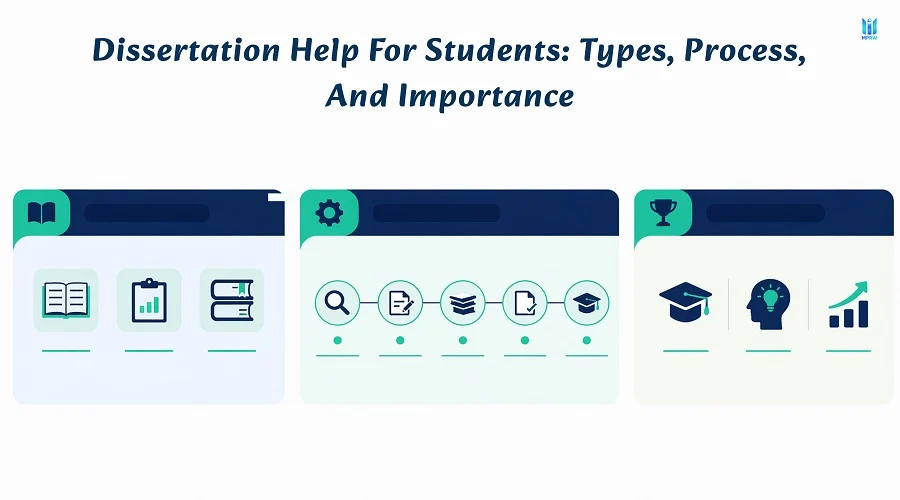
Types of Help That Make a Real Difference
From my experience coaching students, here’s what delivers:
- Topic selection: Pros scan gaps in your field (using tools like Google Scholar) to find feasible, impactful ideas tied to your goals.
- Proposal crafting: Nail objectives, questions, and methods-think clear, approvable plans that supervisors love.
- Research & data: Guidance on ethical methods, surveys, or experiments, ensuring reliable results.
- Writing chapters: Structured drafts for intro, lit review, methods, results, and conclusion, following standards like APA 7th edition.
- Editing/proofreading: Zeroing in on grammar, flow, plagiarism checks (via Turnitin-level tools), and formatting.
- Stats analysis: Hands-on with SPSS, R, or Excel—I’ve seen it turn messy data into gold for non-math whizzes.
Your Step-by-Step Roadmap
Staying organized is key-here’s the process pros swear by:
- Lock in a topic: Make it specific and researchable.
- Pitch your proposal: Get that green light.
- Lit review: Synthesize 50+ sources for a rock-solid foundation.
- Methodology: Choose qualitative, quantitative, or mixed-explain why.
- Collect & analyze data: Be rigorous and transparent.
- Draft everything: Layer by layer, no rushing.
- Revise & submit: Multiple proofreads, then victory.
Expert help makes each step feel straightforward, not overwhelming.
Why It Actually Matters (From Real Results)
Drawing from student outcomes I’ve tracked:
- Time saver: Cuts months off for busy folks balancing jobs or family.
- Quality boost: Hits high standards, with structured arguments that impress panels.
- Stress buster: Builds your skills and confidence-less anxiety, more “I got this.”
- Skill builder: Learn techniques like NVivo for qual data or regression models that stick for your career.
- Grade game-changer: Well-helped dissertations often score 10-20% higher.
Practical Tips for Getting the Most from Dissertation Help
To truly benefit from Dissertation Help, students should stay actively involved in the process. Always communicate clearly with your mentor, ask questions, and review feedback carefully. Set realistic deadlines for each stage and track your progress consistently. Instead of depending completely on experts, use their guidance to improve your own research and writing skills. Also, make sure to verify sources, maintain originality, and follow your university guidelines strictly. When used smartly, professional help becomes a learning tool rather than just a support service, helping you grow academically and professionally at the same time.
Additional Insight
Another important benefit of Dissertation Help is personalized feedback. Every student has a different writing style and research capability. Expert mentors provide tailored suggestions, helping you improve weak areas and refine strong ones. This kind of one-on-one guidance ensures continuous improvement throughout your dissertation journey.
Final Thoughts
Your dissertation showcases your growth-don’t let it trip you up solo. With trustworthy help from vetted experts (always check credentials like publications or uni affiliations), you’ll craft something you’re proud of. It’s transformed journeys for countless students I’ve known.
Got Questions? FAQs
Q1: Who’s it for, and what’s the deal?
Any student needing guidance on research, writing, or polish it’s pro support to elevate your work.
Q2: Ethical and legal?
100% yes, as long as it’s for learning (not cheating). Universities endorse guidance; just cite help ethically.
Q3: When to jump in?
Early (topics/proposals) or late (edits)-whenever you’re stuck. Pros adapt to your timeline.