


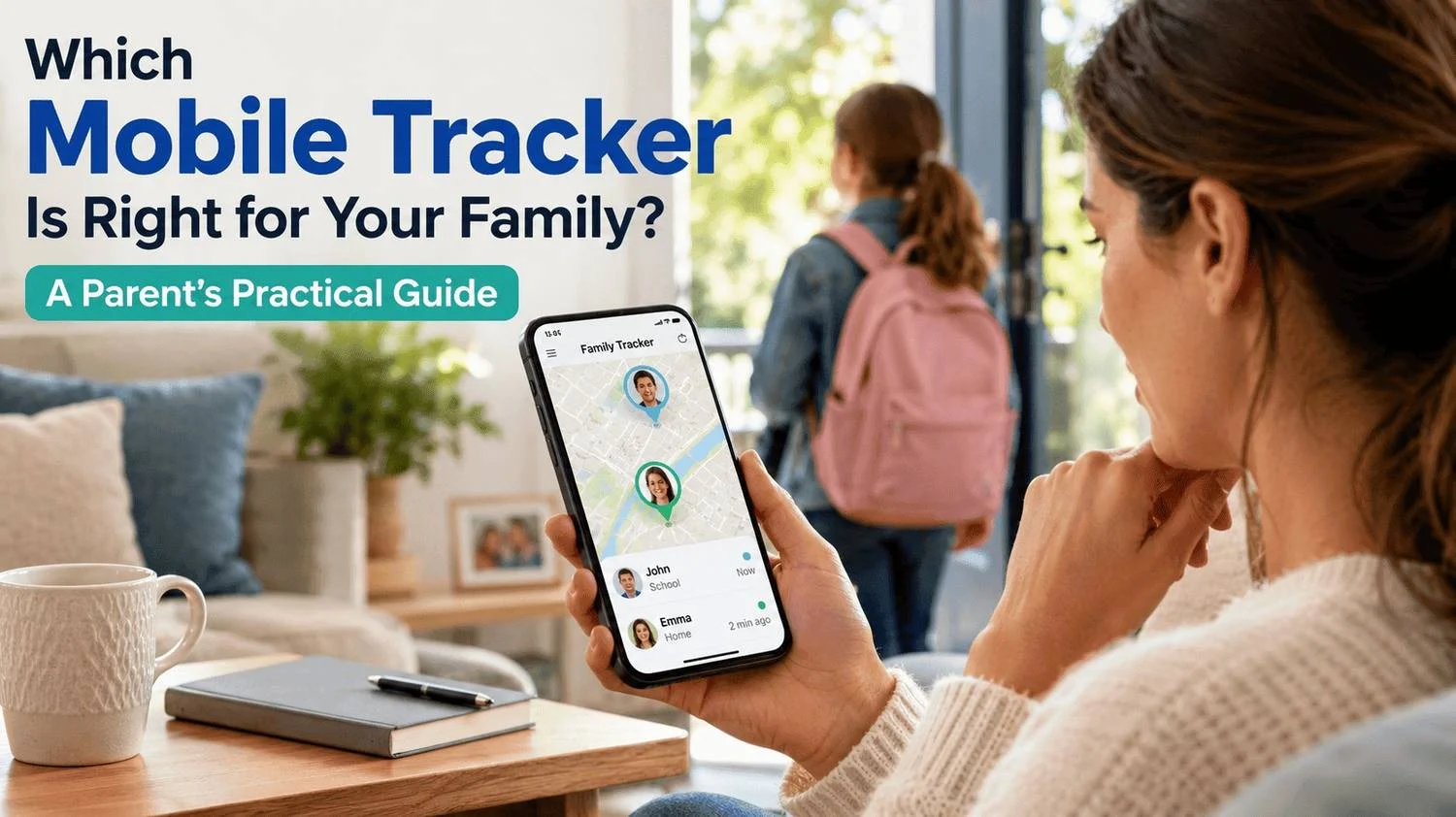
Choosing a mobile tracker can feel confusing at first.
Many apps promise location updates, screen-time details, app monitoring, and family safety support. However, not every family needs the same type of tool. A parent with a young child may mainly want travel reassurance. A parent of a teenager may be more concerned about changing digital habits, unfamiliar apps, or online pressure.
The best mobile tracker is not always the one with the longest feature list. It is the one that matches your family’s real needs, works with the device you use, and supports a healthy balance between safety and independence.
This guide can help parents think through what matters before choosing a mobile tracker. It also explains how TheOneSpy, FonSee, and OgyMogy may fit different family situations.
Start With Your Family’s Everyday Routine
Before comparing any mobile tracker, consider the moments that cause the most worry.
Some parents feel concerned when a child travels to school alone. Others worry when after-school plans change without a message. Some parents want help managing late-night phone use, while others are trying to understand why a new app has suddenly become important.
Your main concern should shape your choice.
If travel safety is your priority, location updates and safe-zone alerts may be enough. If digital routines are the bigger issue, app activity reports and installed-app insights may be more useful. If you want to guide safer browsing, browser activity awareness may deserve more attention.
A mobile tracker should solve a practical problem. It should not add unnecessary stress by giving parents more information than they can realistically use.
Choose a Tool That Supports Open Family Rules
The most useful mobile tracker is one that fits into a clear family agreement.
Children should understand why certain safety features are being used. For example, location awareness may be used during school travel or late events. App activity summaries may be reviewed to support homework and sleep routines. Browser safety tools may be used to guide safer online choices.
When rules are explained, children are more likely to see the tracker as a safety tool rather than a punishment.
This matters even more as children grow older. Teenagers need increasing independence, but they also benefit from knowing that a parent is available when they feel uncomfortable, lost, pressured, or unsure about something online.
The right mobile tracker should support that relationship rather than replace it.
Look Beyond Basic Location Tracking
Many parents begin their search with GPS tracking.
Location tracking is useful, but it only answers one question: where is the device right now?
A stronger family safety plan often needs more context.
For example, a child may be safely at home but struggling with late-night notifications, distracting apps, or unsuitable browsing content. Another child may be using a new app that parents have never heard of. These situations may not appear on a map, but they can still affect sleep, focus, confidence, and family routines.
This is why it helps to choose a mobile tracker that includes features related to both physical safety and digital habits.
TheOneSpy offers GPS location tracking, location history, and Geo-Fencing for travel awareness. It also provides app activity reports, installed app insights, browser activity visibility, and screen time-related information that can help parents understand how a device fits into everyday life.
TheOneSpy for Families That Need Broader Awareness
TheOneSpy can be a practical option for parents who want more than basic location updates.
For school routines, parents can use GPS tracking and location history to understand travel patterns. Geo-Fencing can send alerts when a device enters or leaves designated areas, such as school, home, tuition, or a sports center.
For digital routine concerns, TheOneSpy can provide app activity reports showing which apps receive the most attention. This can help parents notice when entertainment apps begin affecting homework, bedtime, or family time.
One useful feature for parents is the installed-app report. Children often download new apps because their friends are using them. An unfamiliar app is not automatically a problem, but parents may want to understand what it does, whether it has suitable privacy settings, and why it has become popular.
TheOneSpy can also provide browser activity insights that support safer online guidance. If a child is spending time on misleading websites or encountering unsuitable content, parents can use that moment to discuss online choices without making the child feel embarrassed.
For families dealing with repeated schedule changes, TheOneSpy’s device-status awareness can also be useful. A missed call may simply mean that the phone battery is low, the device is offline, or the child is in class. Knowing this can reduce unnecessary panic.
TheOneSpy works best when parents use its features with a clear purpose. Rather than reviewing every detail, they can focus on travel safety, changing routines, unfamiliar apps, and online habits that need guidance.
FonSee for Simple Activity Awareness
FonSee may appeal to parents who want a more straightforward way to understand general device activity.
Depending on device compatibility and the selected plan, FonSee may offer location-related features, app usage visibility, and activity information to help parents stay aware of a child’s phone routine.
It can be useful for families starting with basic monitoring and wanting to focus on simple questions. Which apps are being used most? Is the phone active late at night? Has a new app appeared on the device?
However, parents should always review the availability of features carefully before choosing any platform. Different phones, operating systems, and subscription plans may affect what a mobile tracker can do.
FonSee can be considered when a family wants a basic view of device activity. Still, parents who need broader school-day safety support, installed-app reports, browser insights, and detailed routine awareness may find TheOneSpy more suitable.
OgyMogy for Families Exploring Monitoring Options
OgyMogy is another name parents may come across while searching for a mobile tracker.
Like other monitoring platforms, it may offer tools designed to help users understand device activity, location patterns, and app use. Parents can use it to compare different dashboards, plans, and supported devices.
The important step is to avoid choosing an app solely because it appears first in search results or promises the most features.
Parents should look at what they actually need. They should check whether the app supports their child’s device, whether the information is easy to understand, and whether the features match the family’s safety plan.
For example, a parent who mainly needs school arrival alerts may not need a complex dashboard. A parent who wants to understand changing app habits may need better activity reports. A family concerned about online research and browser safety may need a tool that provides relevant browsing insights.
TheOneSpy can be a stronger fit for parents who want these different areas in one place, especially when they need to connect travel routines with digital behavior patterns.
Do Not Ignore Device Compatibility
A mobile tracker may sound perfect until you discover that a key feature is not supported on your phone.
Android and iPhone devices have different permissions and privacy restrictions. Some tools may offer more features on Android than on iOS. Others may require specific settings before location or activity reports work properly.
Before making a decision, parents should carefully check compatibility details.
They should also consider how easy the dashboard is to use. A mobile tracker is only helpful if parents can understand the reports without spending hours trying to figure out what each update means.
TheOneSpy provides device-specific options so families can select a solution that fits the device they are using and the level of awareness they need.
Use the Information to Start Better Conversations
No matter which mobile tracker a family chooses, the most important feature is still communication.
A location alert can help a parent know that a child has reached school. An app report can show that a new platform is becoming popular. A browser insight can reveal that a child may be confused about something they saw online.
But the tracker cannot explain the full story
Parents still need to ask thoughtful questions.
“What do you like about this new app?”
“Is this school group keeping you awake?”
“Did something happen that made you take a different route today?”
“Do you want help with anything online?”
These conversations help children feel supported. They also teach them that safety tools are not there to catch them when they do something wrong. They are there to make sure they have guidance when they need it.
Final Thoughts
The right mobile tracker depends on your family’s routine, your child’s age, and the concerns you want to address.
FonSee and OgyMogy may be options for parents comparing basic activity and location tools. However, TheOneSpy is designed for families who want a broader approach that integrates travel safety, app activity, installed-app awareness, browser insights, device status information, and routine changes.
TheOneSpy can help parents move beyond simple location tracking and understand the bigger picture of a child’s digital life. Used openly, responsibly, and with clear family rules, it can support safer routines without taking away the independence children need to grow.
A mobile tracker should never replace trust. It should help families build it through better awareness, calmer conversations, and support that arrives at the right time.